
The Complete Guide to Africa’s Tallest Peak
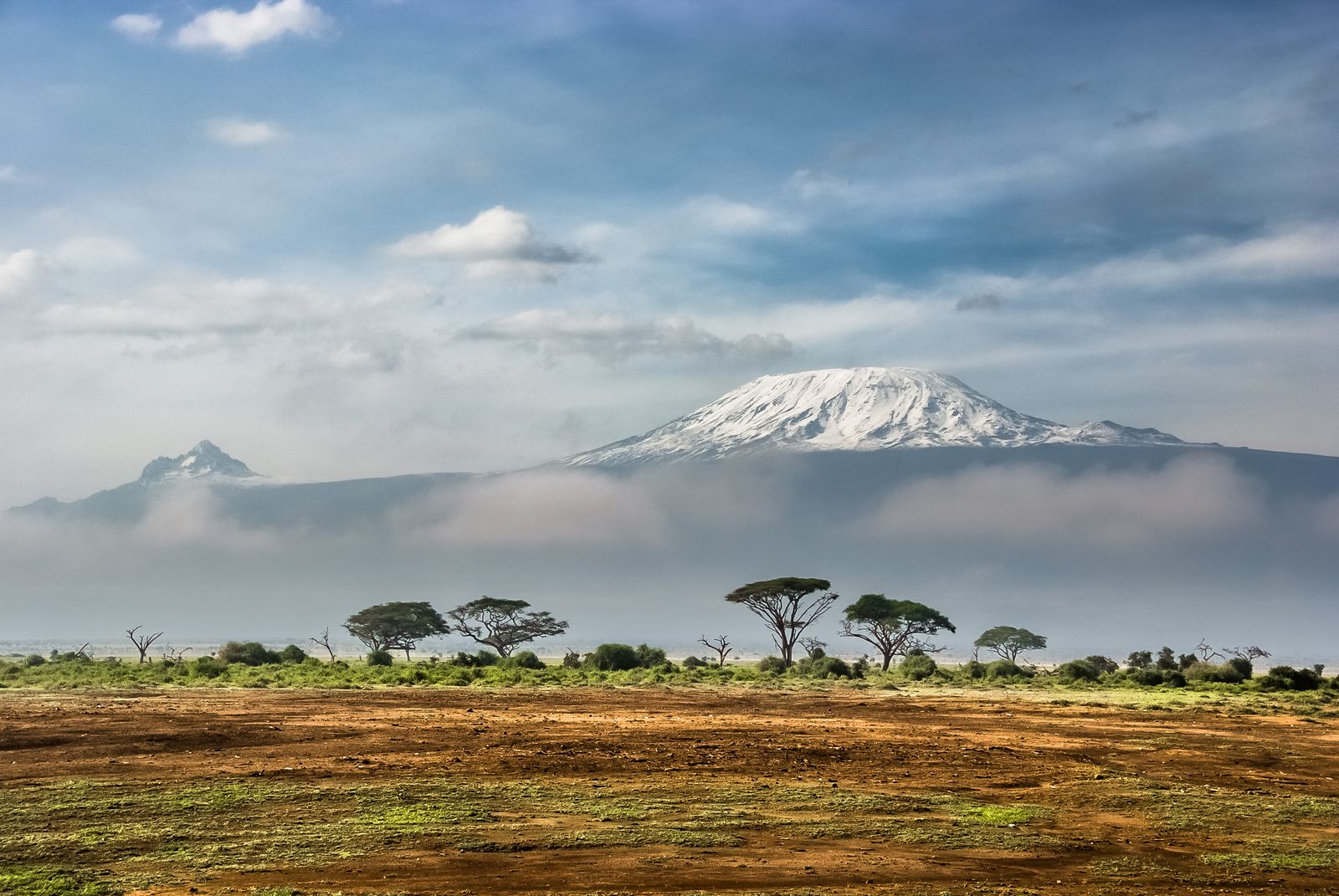
Mount Kilimanjaro is one of the world’s most iconic mountains, a freestanding giant rising from the plains of Tanzania to 5,895 meters (19,341 feet). Every year, thousands of adventurers from across the globe ask the same question: “Can I climb Mount Kilimanjaro?”
The short answer is YES, almost anyone can! You don’t need technical climbing skills or special equipment, but you do need preparation, determination, and the right guidance. This blog covers everything you need to know before your Kilimanjaro climb, from fitness requirements and routes to packing, costs, safety, and the best time to go.
About Mount Kilimanjaro
- Location: Northern Tanzania, near the border with Kenya
- Height: 5,895 m / 19,341 ft (Uhuru Peak)
- Mountain Type: Dormant stratovolcano
- National Park: Kilimanjaro National Park (UNESCO World Heritage Site)
- Climate Zones: Cultivation zone → rainforest → moorland → alpine desert → arctic summit
Kilimanjaro is famous for being the highest freestanding mountain in the world and one of the “Seven Summits.” It’s a trek that combines adventure, culture, and stunning scenery, from lush jungles to glaciers above the clouds.
Who Can Climb Kilimanjaro?
You don’t need to be a professional mountaineer. Kilimanjaro is a non-technical climb, meaning no ropes or ice axes are required. However, you should be:
- In good physical health
- Comfortable hiking 6–8 hours a day
- Ready to handle altitude and basic camping
Even beginners can reach the summit with the right mindset, preparation, and a reputable trekking company.
Age limit:
- Minimum age: 10 years (recommended 12+)
- No official upper limit — people in their 70s and even 80s have successfully summited!
Kilimanjaro Routes Explained
There are seven main routes to the summit. Each differs in scenery, difficulty, and success rate:
| Route | Duration | Difficulty | Success Rate | Scenery | Notes |
|---|---|---|---|---|---|
| Marangu | 5–6 days | Moderate | 70% | Good | “Coca-Cola Route” — hut accommodations |
| Machame | 6–7 days | Moderate to hard | 85% | Excellent | Most popular route |
| Lemosho | 7–8 days | Moderate | 90% | Excellent | Best for acclimatization |
| Rongai | 6–7 days | Moderate | 80% | Good | Less crowded, drier |
| Northern Circuit | 8–9 days | Moderate | 95% | Spectacular | Longest, best success rate |
| Shira | 6–7 days | Hard | 65% | Great | High starting point, not ideal for beginners |
| Umbwe | 5–6 days | Very hard | 50% | Scenic but steep | For experienced climbers |
Recommendation: For most trekkers, the Lemosho, Machame, or Northern Circuit routes offer the best balance between scenery, acclimatization, and success.
Best Time to Climb Kilimanjaro
Kilimanjaro can be climbed year-round, but the best times are during the dry seasons:
- January to early March: Clear skies, warmer temperatures
- June to October: Dry, stable weather — peak climbing season
Avoid April–May and November, as these are rainy months with slippery trails and cloudy views.
Fitness and Training
You don’t need to be an athlete, but you should prepare. Here’s how:
- Cardio training: Hiking, jogging, cycling, swimming (3–4 times a week)
- Strength training: Focus on legs, core, and endurance
- Practice hikes: Carry a backpack and hike at least 4–6 hours on varied terrain
Aim to start training 8–12 weeks before your climb.
What to Pack for Kilimanjaro
Packing properly can make or break your climb. Essentials include:
Clothing
- Base layers (moisture-wicking)
- Insulating layers (fleece/down)
- Waterproof jacket & pants
- Warm hat, gloves, balaclava
- Trekking boots (broken-in)
- Gaiters and warm socks
Gear
- Sleeping bag (−10°C/14°F)
- Trekking poles
- Headlamp
- Water bottles/hydration system
- Duffel bag (porters carry up to 15 kg)
Accessories
- Sunscreen, lip balm
- First-aid kit & personal meds
- Power bank
- Snacks & energy bars
Altitude Sickness & Safety
Altitude is the biggest challenge on Kilimanjaro. Symptoms can include headache, nausea, and dizziness. To stay safe:
- Climb slowly (“pole pole” — Swahili for “slowly, slowly”)
- Stay hydrated (3–4 liters/day)
- Choose a longer route for better acclimatization
- Listen to your guide — descend if symptoms worsen
Reputable operators carry oxygen and pulse oximeters to monitor your health.
Cost of Climbing Kilimanjaro
Expect to pay between $2,000 – $5,000 USD, depending on route, duration, and comfort level.
This typically includes:
- Park fees & permits
- Professional guides & porters
- Meals & drinking water
- Camping or hut accommodation
- Airport transfers
Flights, tips, and personal gear are usually extra.
What It Feels Like to Summit Kilimanjaro
Reaching Uhuru Peak is a life-changing moment — standing above the clouds as the African sunrise paints the glaciers gold. It’s a challenge of endurance and willpower, but the reward is beyond words.
Frequently Asked Questions (FAQs)
-
How long does it take to climb Kilimanjaro? Between 5 and 9 days, depending on the route and pace.
-
Do I need a guide? Yes. Guides are mandatory by Tanzanian law. You must climb with a licensed tour operator.
-
How cold does it get? Temperatures can drop to -10°C (14°F) or lower at the summit.
-
Can I climb solo? No, but you can book a private climb for just your group.
-
How hard is it really? It’s tough but doable — more about mental strength and acclimatization than technical skills.
Why Climb with a Licensed Operator?
A good Kilimanjaro trekking company ensures:
- Safety and experienced guides
- Proper acclimatization schedule
- Fair treatment of porters (KPAP-registered)
- Quality gear, meals, and logistics
Always check reviews and credentials before booking.
Getting There
- Nearest airport: Kilimanjaro International Airport (JRO)
- Main gateway towns: Moshi & Arusha
- Most climbers arrive via Kilimanjaro, Tanzania, then spend a night in Moshi before starting the trek.
Final Thoughts: Can You Climb Kilimanjaro?
Absolutely! Whether you’re a first-time trekker or a seasoned adventurer, Mount Kilimanjaro is an achievable and unforgettable goal.
With the right preparation, mindset, and a trusted guide team, you can stand on the “Roof of Africa.”
So pack your bags, train your legs, and get ready for the adventure of a lifetime – Kilimanjaro is waiting for you.
